




















Nurturing Every Stage of Growth

From motherhood to growing childhood, Morinaga supports your family’s nutrition journey.

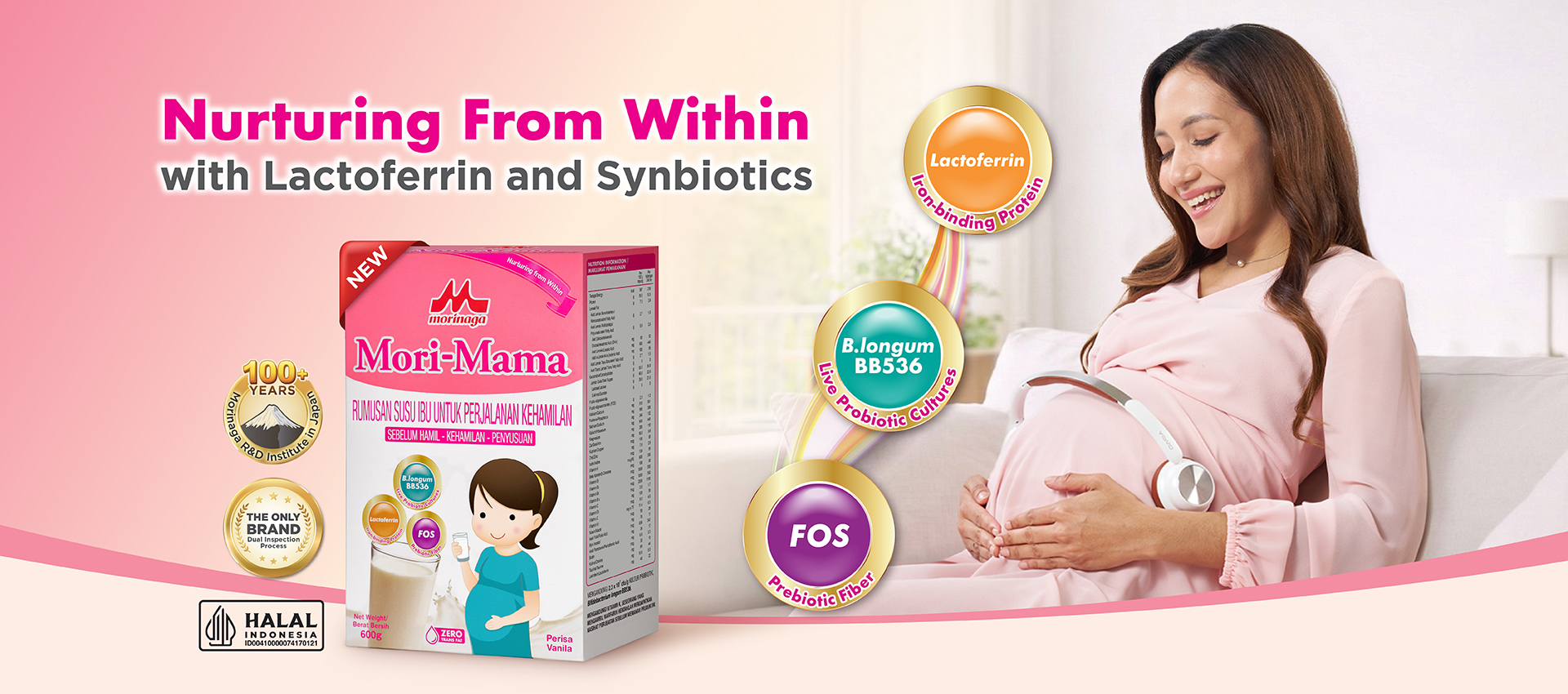
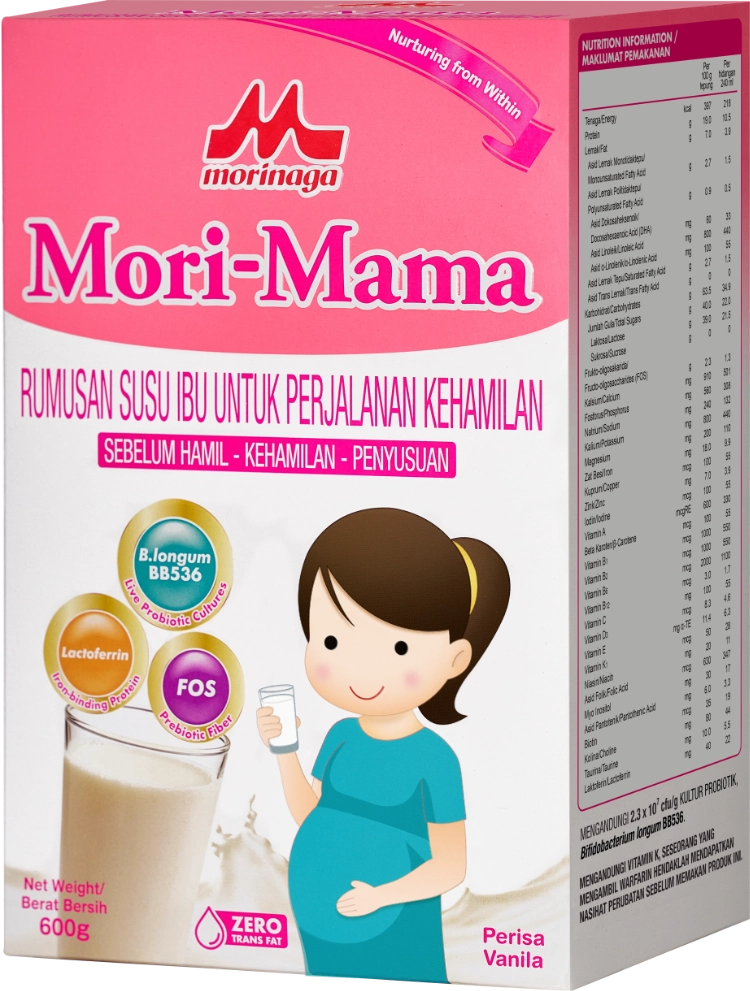
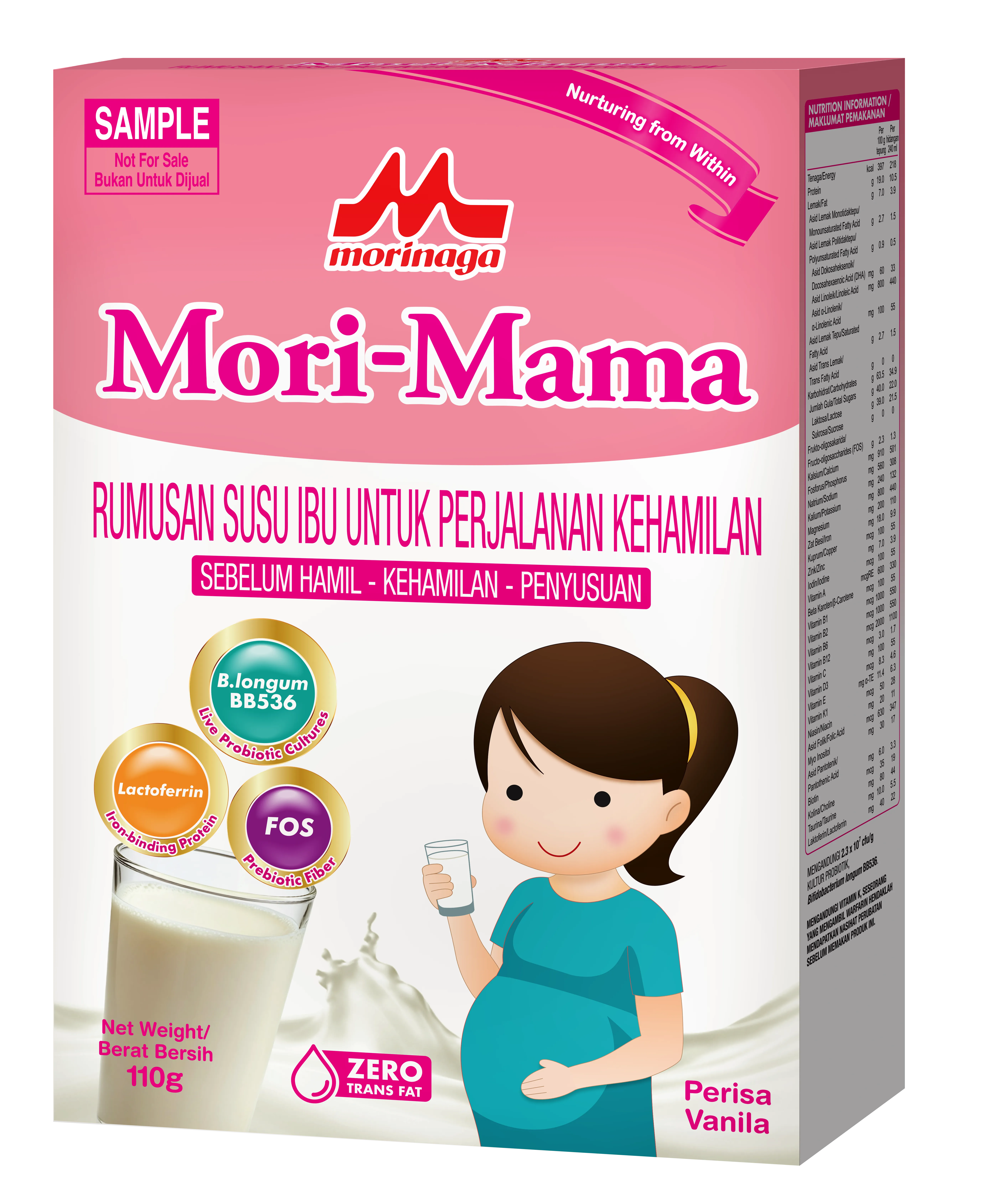
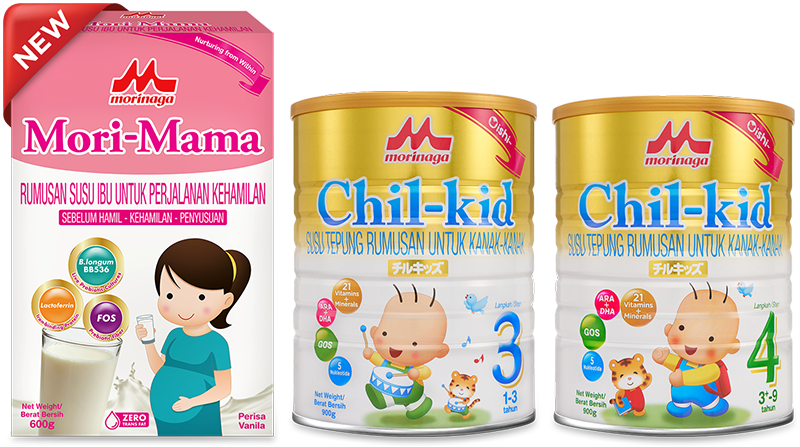
Mori-Mama
One solution from pregnancy planning to breastfeeding
Formulated with Lactoferrin and Synbiotics (B.longum BB536 and FOS), it helps support maternal nutrition, digestion, and overall wellbeing throughout the motherhood journey.
Available in
600g
Mild Vanilla Flavour
Find Out More
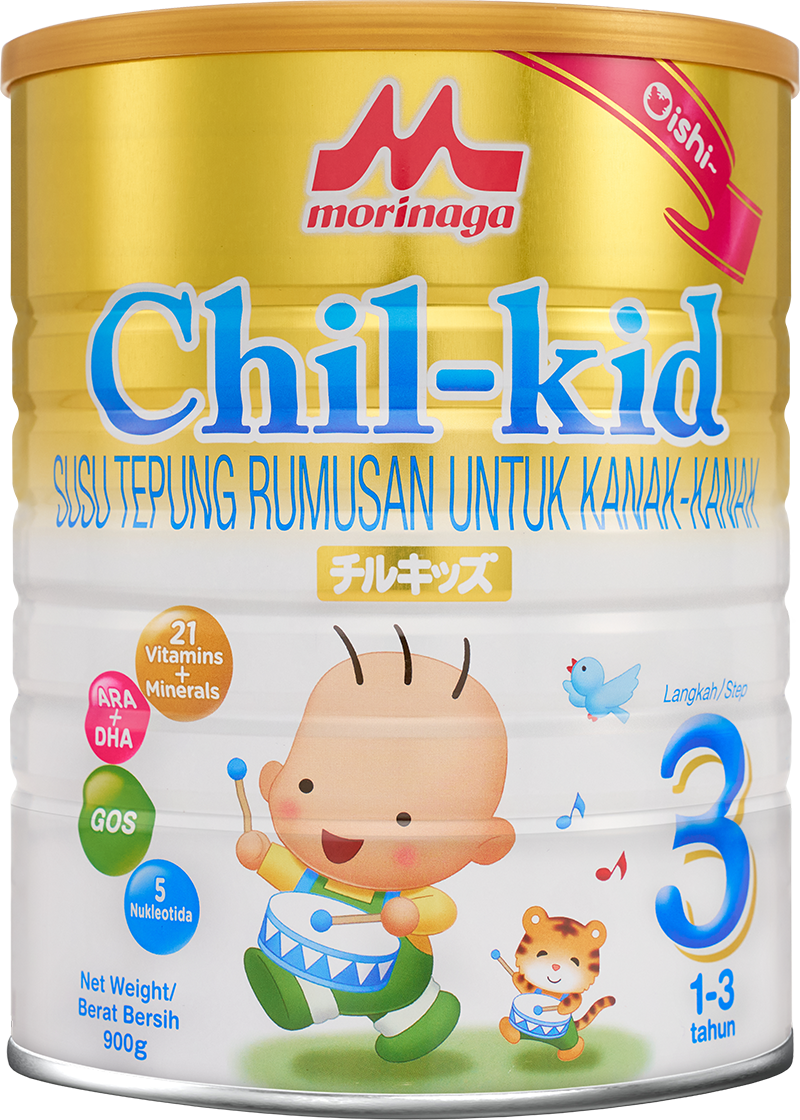
Chil-kid Step 3
1-3 Years Old
Formulated for toddlers aged 1–3 years to support their rapid growth and development. With key nutrients for immunity, brain, eye, and gut health, it helps build a strong foundation during the early learning years.
Available in
700g & 900g
Mild Vanilla Flavour
Find Out More
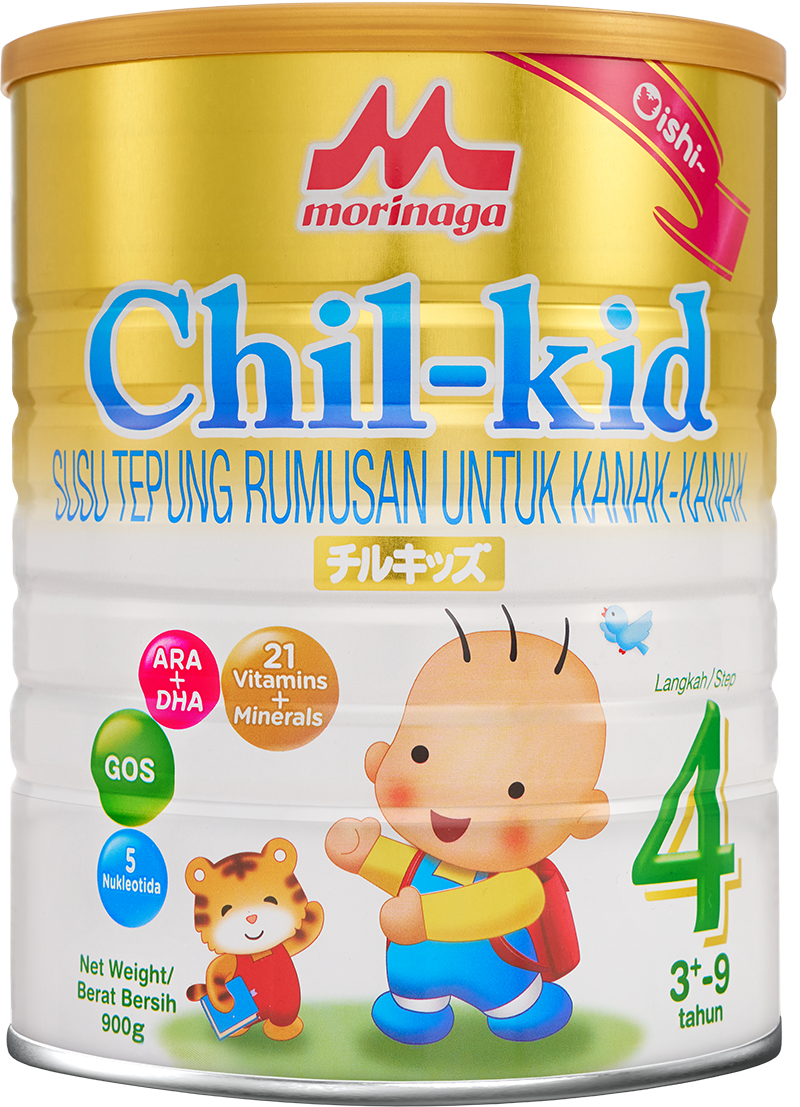
Chil-kid Step 4
3+ to 9 Years Old
Formulated to support children aged 3–9 during their golden years of growth. With essential nutrients for strong bones, focus, and learning, it helps children stay active and ready for everyday discovery.
Available in
700g & 900g
Mild Vanilla Flavour
Find Out More

Try Morinaga Nutrition Today

Get your trial pack and experience trusted Japanese nutrition.

First Pack,
Big Confidence

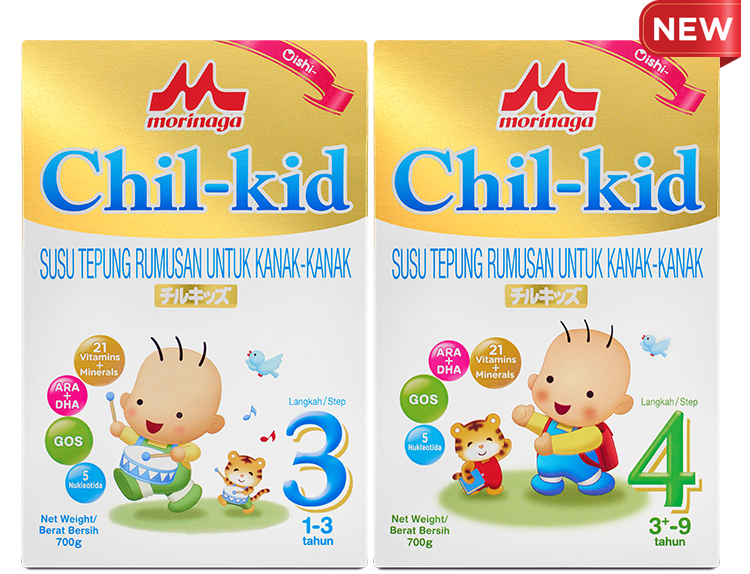
RM20 for 700g Chil-kid Step 3 OR Step 4

Morinaga Chil-kid unites science and care — delivering trusted nutrition made with love for every growing child.

Because growing up isn’t just about years — it’s about raising healthier, stronger, and happier kids.

Get A Trial Pack

First Pack,
Confident Motherhood

FREE 110g Mori-Mama Trial Pack (2 servings)

Morinaga Mori-Mama is designed to nourish mothers from pregnancy planning to breastfeeding.

With Lactoferrin and Synbiotics, it supports maternal wellness and baby's early development — nurturing from within.

Because a healthy start begins with a healthy mother.

Get A Trial Pack

Do You Feel Tired All the Time, Mama?

Mori-Mama with Lactoferrin — supporting healthy iron levels to keep anaemia at bay

By Professor Dr Hamid Jan Bin Jan Mohamed
Expert in Maternal & Child Nutrition, Universiti Sains Malaysia

Why Choose Morinaga Nutrition

Supporting mothers and children with trusted Japanese nutrition for every stage of life.

Over 100 Years of Japanese Nutrition Expertise

Backed by more than a century of research and innovation, Morinaga has been supporting mothers and children with trusted nutrition since 1917.

Scientifically Developed Formulas

Our products are developed through extensive nutritional research to support the unique needs of mothers during pregnancy and children during key stages of growth.

The Only Brand with a Double Inspection Process

Every batch is first inspected at our manufacturing facilities, followed by a second inspection in Japan – ensuring exceptional safety and nutrition before it reaches to Malaysia.

Carefully Selected Functional Ingredients

Morinaga formulas contain carefully selected ingredients designed to support maternal wellbeing and healthy child development.

No Added Sucrose

Formulated without added sucrose to provide a healthier everyday nutrition choice for mothers and growing children.

Complete Nutrition for Every Stage

From pregnancy to growing childhood, Morinaga offers balanced nutrition to support families through every important stage of life.

Growing Together with Morinaga

Expert tips, nutrition knowledge, and parenting guidance to support you and your child through every stage

Unlocking the "Golden Triad": A Unique Synbiotic Synergy for Maternal Health

Pregnancy is a time of remarkable change, where the body adapts to support a growing baby. A modern approach to nutrition supports these changes by working with the body, not against it.

Introduction

Pregnancy is a time of remarkable change. A woman& ;s body adapts in extraordinary ways to support a growing baby— expanding blood volume, adjusting immunity, and reshaping digestion to meet increased demands. Among the most common medical challenges during this period is iron deficiency, which can lead to anemia and affect both maternal wellbeing and fetal development.

For decades, the solution has been simple: iron supplements. Yet many women know from experience that iron tablets can be difficult to tolerate. Constipation, bloating, and nausea are common complaints, and for some women, these side effects become severe enough to stop treatment altogether.

At the same time, new research is reshaping how we think about pregnancy health. We now understand that a mother’s gut health plays a crucial role not only in how nutrients are absorbed, but also in shaping her baby’s immune system and long-term health. Iron, digestion, immunity, and the infant microbiome are far more connected than once believed.

This has led to growing interest in a more integrated, body-friendly approach—one that supports iron levels while protecting the gut and laying the foundations for a baby’s health from the very start.

Why Is Iron Deficiency So Common in Pregnancy?

In clinical practice, low iron levels are expected. Many women enter pregnancy with limited iron reserves due to menstruation, dietary patterns, or previous pregnancies. It is estimated that half of all pregnant women worldwide are iron deficient. As pregnancy progresses, iron needs to rise sharply to support increased blood volume, placental growth, and fetal development—particularly brain development.

Iron supplementation remains essential. Without enough iron, women may experience persistent fatigue, breathlessness, and reduced stamina. More importantly, untreated iron deficiency has been linked to premature birth, low birth weight, and effects on a baby’s developing brain.

The problem is not whether iron is needed—but how it is given.

The Constipation Problem No One Likes to Talk About

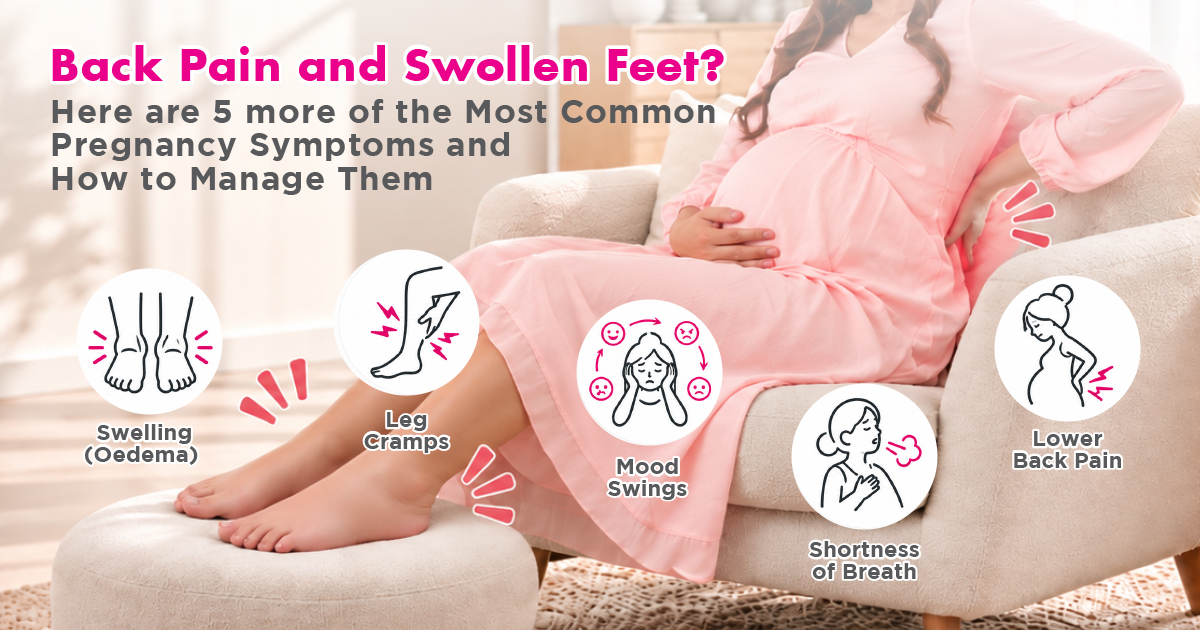
Constipation is already common in pregnancy due to hormonal changes that slow digestion and the physical pressure of a growing uterus. Traditional iron tablets often make this worse.

Many women report:

  • Hard stools and difficulty opening their bowels
  • Abdominal discomfort and bloating
  • Nausea
  • Worsening hemorrhoids

Unsurprisingly, this affects compliance. Women may skip doses, take supplements irregularly, or stop altogether— often quietly, without mentioning it at clinic visits. As a result, iron levels remain low despite “treatment.”

Why Iron Tablets Can Upset the Gut?

Standard iron tablets often release "free iron" into the digestive tract, which can disrupt the gut balance and cause inflammation. In contrast, Lactoferrin acts as a natural carrier, binding the iron to deliver it efficiently while remaining gentle on digestion.

Standard iron tablets release free iron into the digestive tract. While iron is vital for the body, excess free iron in the gut can disrupt the natural balance of gut bacteria. It tends to encourage the growth of less helpful bacteria while reducing beneficial bacteria such as Bifidobacteria.

This imbalance can irritate the gut, slow bowel movements further, and ironically reduce iron absorption over time. Simply increasing the dose rarely solves the problem—and often makes symptoms worse.

Looking Beyond Traditional Iron Supplements

These challenges have prompted doctors and researchers to rethink iron support during pregnancy. The goal is no longer just to raise iron levels, but to do so in a way that works with the body rather than against it.

One promising alternative is lactoferrin.

Lactoferrin: Nature’s Smarter Iron Carrier

Lactoferrin is a naturally occurring protein found in high concentrations in breast milk. Its role is to bind iron and deliver it safely and efficiently throughout the body.

Unlike conventional iron tablets, lactoferrin is considered to:

  • Influence how iron is absorbed
  • Reduce excess free iron in the gut
  • Be gentler on digestion

Studies have shown that lactoferrin can improve hemoglobin and iron stores in both pregnant and non-pregnant women, with fewer side effects than standard iron supplements.

In simple terms, lactoferrin helps the body use iron more efficiently—without overwhelming the gut.

Supporting Iron Without Triggering Inflammation

Lactoferrin also plays a role in immune balance. It helps calm unnecessary inflammation while supporting normal immune defenses. This is especially important in pregnancy, when excessive inflammation has been linked to placental problems and preterm birth.

By supporting both iron absorption and immune stability, lactoferrin offers a more balanced approach to maternal nutrition.

Iron for Baby

Efficient iron absorption doesn’t just benefit the mother. It also ensures that enough iron reaches the placenta and the developing baby—particularly during critical stages of brain and organ development. Importantly, this can be achieved without causing daily digestive discomfort.

The First Microbial Gift a Mother Gives Her Baby

A mother’s gut health is the first microbial gift she gives her baby. Through "first seeding," beneficial bacteria are passed down to help shape the infant's future immunity and health.

Pregnancy care doesn’t end at birth. In fact, some of the most important influences on a baby’s health occur in the very first days of life.

A baby’s gut bacteria begin forming at birth, a process often called “first seeding.” During vaginal birth, skin-to-skin contact, and breastfeeding, mothers pass bacteria directly to their babies. These early microbes help shape immune development, digestion, allergy risk, and long-term health.

Why a Mother’s Gut Health Matters?

A healthy maternal gut increases the chances that beneficial bacteria, especially Bifidobacteria—will dominate a baby’s early microbiome. Emerging research also links maternal gut health to fetal brain development through immune signaling and microbial metabolites.

In other words, looking after the mother’s gut is part of looking after the baby’s future health.

BB536: A Trusted Probiotic Strain

One of the most studied beneficial bacteria is Bifidobacterium longum BB536. This probiotic strain has been shown to:

  • Support healthy digestion
  • Improve bowel regularity
  • Promote immune balance
  • Support healthy early gut colonization

These qualities make it particularly important during pregnancy when digestive comfort and microbial balance are key.

FOS: Feeding the Good Bacteria

Fructo-oligosaccharides (FOS) are special fibers that act as food for beneficial gut bacteria. By nourishing probiotics like BB536, FOS helps them thrive.

FOS also helps soften stools and improve bowel regularity—an added benefit during pregnancy, when constipation is such a common concern.

The Power of Three: Lactoferrin, BB536, and FOS

The "Golden Triad" works together as a team: Lactoferrin acts as a Shield to protect the gut, BB536 acts as a Seed to establish good

Together, lactoferrin, BB536, and FOS work synergistically:

This combined approach addresses iron deficiency, digestive comfort, immune balance, and early infant gut health— all at once.

Lactoferrin – The “Shield”

Lactoferrin acts as a protective shield by:

  • Binding iron and improving absorption
  • Inhibiting pathogenic bacteria and viruses
  • Reducing inflammatory cytokines

From immunology and gastroenterology perspectives, it protects gut integrity while supporting systemic iron homeostasis.

BB536 – The “Seed”

BB536 serves as the microbial seed:

  • Clinically proven to stabilize gut microbiota.
  • Associated with reduced allergy risk and eczema in early life
  • Improves bowel regularity and comfort

From a neonatal viewpoint, it supports healthy early colonization and immune training.

FOS – The “Fertilizer”

FOS acts as the fertilizer:

  • Selectively feeds Bifidobacteria
  • Enhance probiotic survival and function
  • Prevents constipation by increasing stool softness

This addresses one of the most common pregnancy complaints while supporting microbial balance

A More Modern Way to Support Pregnancy Health

Pregnancy care is evolving. Treating iron deficiency is no longer just about numbers on a blood test—it’s about supporting the interconnected systems of digestion, immunity, placental function, and a baby’s earliest development.

A gut-friendly strategy that includes lactoferrin, BB536, and FOS offers a thoughtful, science-backed way to support both mother and baby.

By caring for the mother’s gut, we may be helping shape the health of the next generation—right from the very beginning.

Written by

Shilpa Nambiar

MD FRCOG MRCPI

Consultant Obstetrician and Gynaecologist

Fun Kids’ Science Experiments to Try at Home

With schools emphasizing STEM subjects, it’s never too early to start introducing science to kids. It’s a well-known fact that children gain the most from a lesson when they are engaged and interacting. It’s no surprise then, that science experiments are a fantastic way to excite children and engage them with learning. Suitable for preschool children up to primary school, these visually stimulating, hands-on, sensory-rich science experiments will fascinate them. Moreover, you can plan these experiments by using a variety of common household items. From baking soda, food colouring and dish washing liquid  ̶  these simple items can be used to create volcanoes, lava lamps, rainbows and much more.

*All experiments are to be done with parental supervision.

1: Make a DIY Lava Lamp

Making a lava lamp teaches about density, hydrophobic properties, and chemical reactions. Kids can observe how oil floats on water due to density differences, how food colouring mixes with water but not oil, and how baking soda and vinegar create carbon dioxide gas that causes the "lava" to bubble and move about.

To make a homemade lava lamp, you will need

  • a clean glass jar

  • a small glass

  • white vinegar

  • baking soda

  • food colouring

  • vegetable oil (or cooking oil).

Put in about two heaping tablespoons of baking soda into the jar, and pour in the vegetable oil until it is ¾ of the way to the top of the jar. Separately, using the small glass, pour in about four to five tablespoons of vinegar and put in a few drops of your favourite food colour. Give your glass a swirl to mix the food colouring with the vinegar, then pour the mixture into the jar of oil. Watch how the oil separates from the vinegar and then floats to the top leaving the vinegar at the bottom. This is happening because oil has a lower density than the vinegar and the food colouring and is therefore lighter. Wait a few minutes and then watch as the coloured bubbles start to rise to the top and swirl around.

What is happening is that the vinegar is reacting with the baking soda to produce carbon dioxide gas which causes the coloured bubbles to rise. Carbon dioxide bubbles are less dense than water so they rise to the top of the jar. When enough bubbles pop at the top, the water and remaining gas become denser than the oil, so the ball of water sinks down and joins the rest of the water. This is how a lava lamp is created. This hands-on experiment demonstrates key scientific principles in a visually engaging way. You can even make the bubbles glow by shining a torch at your jar.

2: Make a Rubber Egg

By making a rubber egg, kids learn about chemical reactions, acids and bases and osmosis (a process by which molecules of a solvent pass through a semipermeable membrane such as the egg’s membrane), which transforms a hard-shelled object into a bouncy, rubbery one when soaked in vinegar. The vinegar's acetic acid reacts with the eggshell's calcium carbonate, creating carbon dioxide bubbles while it dissolves the shell. The egg's remaining inner membranes hold the liquid contents together, allowing the egg to bounce.

You will only need two items.

  • A jar of white vinegar

  • A raw fresh egg

Put the egg into the jar of vinegar making sure that the vinegar fully covers the egg.  Then watch as bubbles begin to the surround the eggshell. The acid in the vinegar is reacting with the calcium carbonate in the shell to break it down. Now leave the egg in the vinegar for 24 to 48 hours to dissolve the shell completely and create a bouncy egg.

After 48 hours, remove the egg and rinse it off. You may notice a brown scum on the egg that is easy to wash away. The scum is the remnants of the dissolved hard shell. With the shell gone, a thin membrane now surrounds the egg white (albumin) and yolk. You can now squeeze the egg or bounce it. It will most probably burst if you bounce it too high. For this reason, it is recommended to bounce the egg in the sink.

You will also notice that the egg has become bigger. This is due to the osmosis process where the water in the vinegar has entered the egg through its semipermeable membrane. However, the tiny holes in the membrane are not big enough to allow the egg to come out so now the egg and water are inside the cell membrane together. This is why the egg has grown bigger. 

3: Make a Rainbow in a Jar

Making a rainbow in a jar teaches kids about the scientific concept of liquid density, how different molecules are packed together, and why some liquids float on others. They also learn to carefully follow instructions, practice patience, and observe how different coloured liquids can be layered to create a beautiful, multi-layered effect.

You will need:

  • 4 glasses or cups

  • Warm water

  • A measuring cup to measure the exact amount of water

  • Sugar

  • Measuring spoon

  • Food colouring

  • A baster or pipette

  • A tall glass or jar

Set out the glasses and measure one cup of water into each glass. Add a few drops of different food colouring into each glass. Measure and add a different amount of sugar into each glass.

For example:

  • Red colour  ̶  2 tablespoons of sugar

  • Yellow colour  ̶  4 tablespoons of sugar

  • Green colour  ̶  6 tablespoons of sugar

  • Blue colour  ̶  8 tablespoons of sugar

Stir until as much of the sugar in the glass is dissolved as possible. This creates a sugar solution with various concentrations.

Use your baster or pipette to add a layer of sugar solution to create a colourful rainbow in a jar. Use the baster to measure and ensure you get the same amount of each colour into the jar. Begin with the densest water (blue), followed by the green colour and so on. You will notice that the colours will sit on top of each layer according to their density. Be sure to add the layers very, very slowly and release the water along the jar’s side until you get a rainbow in a jar. 

Density is a measure of how densely packed molecules are within a liquid. For this experiment, the more sugar you add into each glass of water, the greater the density of the water.  You can experiment with different liquids such as honey, juices, dishwashing liquid or oil and challenge your kids to come up with a plan of action to make a rainbow in a jar. 

4: Make Pepper Scatter

In making pepper scatter on a plate of water, kids can learn about surface tension, which is the "skin" on water that keeps the pepper floating, and how dish soap disrupts this tension, causing the pepper to scatter. They can also learn about hydrophobic (water-repelling) substances, such as pepper as it doesn't mix with water, and the concept of hygiene and how soap works to "wash away" germs, represented by the pepper.

For this experiment, you will need:

  • A plate

  • water

  • pepper

  • dishwashing liquid

  • A cotton bud or your fingertip.

Pour water and fill the plate with a thin layer of water. Sprinkle a good amount of pepper across the surface of the water. You will notice that the pepper sits on the surface of the water. First dip in your finger or a cotton bud in the centre of the plate and watch how the pepper sticks to your finger or cotton bud. Then wipe off that finger and dip it or dip a cotton bud into the dishwashing liquid, then dip that finger or cotton bud into the water. This time, the pepper will immediately scatter to the side of the plate.

What kids will learn is that soap is a surfactant  ̶  a substance which will reduce the surface tension of a liquid. When soap is added, it breaks the attraction between water molecules that forms the “skin” on water. The surface tension is thus weakened and the water is pulled outwards, taking the pepper with it. The sudden movement of the pepper away from the soap creates a visual effect, similar to how germs are scattered when we bathe or wash our hands with soap and water.

5: Make an Erupting Volcano

Making an erupting “volcano” by combining baking soda and vinegar is a fun way to observe a chemical reaction.  Watch as the contents fizz over the container just like a volcano! Children learn that the acidity of the vinegar reacts with the baking soda to produce carbon dioxide gas, which creates a bubbly eruption. Parents, this experiment can get a little messy, so make sure you’ve got some towels ready to clean up afterwards!

You will need:

  • 4 to 6 tablespoons of baking soda

  • 1 cup of white vinegar

  • Food colouring

  • Dishwashing liquid

  • A container such as a large tray to hold everything to avoid a big mess

  • Paper towels or a cloth to wipe up in case of spills

Pour in a cup of vinegar into the jar. Squeeze in a fair amount of dishwashing liquid. Adding the dishwashing liquid is key to this experiment as it slows down the reaction and makes the bubbles really foamy. Add in a few drops of food colouring for added effect and stir the contents with a spoon.

When you’re ready, scoop up about 4 tablespoon of baking soda and pour it into the jar. Stand back and watch the reaction. The volcano will “erupt” with fizz and bubbles. You can get a bigger reaction by putting in more baking soda and vinegar.

The baking soda and vinegar volcano experiment teaches kids about chemical reactions, specifically the production of carbon dioxide gas, which causes the fizzing "eruption". Kids can learn that mixing an acid (vinegar) with a base (baking soda) creates an unstable carbonic acid that quickly breaks down into water and carbon dioxide gas. This gas, similar to that in soda, builds pressure and escapes, creating the "eruption," much like pressure in a real volcano which causes molten rock and ash to escape.

For extra effect, you can make a realistic looking volcano out of cardboard or dough. Wrap the cardboard or dough around the glass jar and paint it up to make it resemble a volcano. It takes some craft skills, but will make your vinegar and baking soda eruptions look even more impressive!

Morinaga Chil-kid

While you and your kids are having fun with these science experiments, don’t forget to keep the children eager to learn and inquisitive by ensuring they receive good nutrition. Nutrition is central to kids’ learning as it supports crucial cognitive functions like attention and memory.

To support children’s nutritional needs, there is Morinaga Chil-kid  ̶  a fully-imported Japanese growing up milk made for Asian children. There are two formulations: Morinaga Chil-kid Step 3 which is made for children aged 1 to 3, and Morinaga Chil-kid 4 which is made for children aged 3+ to 9.

Packed with 45 essential nutrients such as ARA and DHA, Inositol, GOS, 5 Nucleotides, Omega 3&6 Long-Chain Polyunsaturated Fatty Acids (LCPs) and 21 Vitamins and Minerals, Chil-kid 3 and 4 support children’s growing up needs when complemented with meals, and fill in nutritional gaps should there be deficiencies in their diet.

Chil-kid 4

With children becoming more active during their preschool age, Chil-kid 4 provides the energy for their continued Golden Age of Growth. Through its increased DHA, ARA, Protein, Calcium, Phosphorus and Vitamin D content, Chil-kid 4 builds on the foundational nutrients provided by Chil-kid 3 which are for immunity, brain, eye and gut development in the toddler age.

Chil-kid 4 fuels continued brain development, builds strong bones and teeth and provides sustained energy for bone development, focus and learning performance for preschool to school aged children. 

Chil-kid 3 and 4

Children’s nutritional needs change rapidly with age. Although both formulas have the same types of nutrients, Chil-kid 3 and 4, with its optimised nutrient content, are designed based on the right levels and amount of nutrients for the right age.

Formulated without Sucrose, both Chil-kid 3 and 4 dissolve easily in lukewarm water and feature a subtle vanilla taste that children love. Just two to three servings a day alongside meals, Chil-kid 3 and 4 help children meet their daily Recommended Nutrient Intake (RNI). 

Chil-kid 3 and 4 are the result of over 100 years of child nutrition research by Japanese scientist. The focus is on how nutrition supports immune health, brain health, physical growth & cognitive development. Everything in the formulation such as DHA, ARA, GOS, 5 Nucleotides, is backed by research and are tested and refined by the Morinaga R&D Institute in Japan.

Wholly produced from dairy farms to the packaging process in a state-of-the-art plant in the Netherlands, both milk formulas are fully imported and go through stringent hygiene processes as well as a double inspection process with samples sent to Japan for a second inspection before they are shipped to Malaysia.   

Preparing Your Child for Preschool

Now that your child has come of age, it’s time to start preschool. It’s a big milestone for both you and your child as learning to spend time apart in a different environment with lots of other kids can be a difficult transition. However, introducing your child to formal education and experiencing schedule and structure is an exciting journey too. Here are 11 ways to help your child make the transition to preschool a smooth one.

1: Start with a Positive Attitude

Although you may have questions and worries, express excitement and positivity about your child’s new adventure. Your enthusiasm about their upcoming preschool experience will rub off on them. Use positive language when discussing preschool, and emphasize the fun and friends they will make.

2: Visit Together

Introduce your child to the new environment before their first day. If possible, plan to go to your child’s new school together to show him around. Play on the playground together, explore the school and classroom and meet the teachers. This way, when they start on day one, school will be a familiar place.

3: Read Together

Reading is a wonderful way to prepare your child for preschool. Share books and stories together, especially about going to preschool. Reading fosters language development and a love for learning. There are quite a number of children’s books about going to preschool such as “I love you all day long” by Francesca Rusackas, “Maisy goes to preschool” by Lucy Cousins,” and “What to expect at preschool” by Heidi Murkoff. These books and others can be bought online through Open Trolley and Book Delivery in Malaysia.   

4: Get Social

Arrange playdates with other children to help your child become more accustomed to social interactions. In fact, if possible, arrange a playdate with children from your child’s class. This will allow them to get to know each other before school starts.

5: Prepare a Preschool Routine

Preschool often follows a structured daily routine. To prepare your child, establish a similar routine at home. This can include regular meal times, playtime, and nap time schedules. Consistency helps children feel secure and prepared for the structure of school.

7: Play School together at Home

You can also use pretend play to help your child get used to the idea of preschool. Take turns acting out different routines like story time, singing songs and bedtime. You can also switch up the roles and let your child be the teacher. This will help your child think of school as a fun place and reduce anxiety on day one.

6: Practice a New Home Schedule

Start practicing the new bedtime and wake-up time your child will need for preschool several weeks before school actually starts. Pick a bedtime that will provide a good night’s rest and a wake-up time early enough so neither of you will have to rush in the morning. This will give both of you time to adjust. If you are able, you could even start a new tradition of picking out clothes together the night before school and eating breakfast together in the morning.

7: Learn taking Turns and Sharing

One thing about playing with other children is to learn to take turns and share.  Children at 3 ½ years or 4 years old are not used to sharing toys and taking turns. This is something they will learn at preschool but you can give them a head start at learning these social skills at home.  Some of them may have an older sibling they can practice sharing and taking turns with. The general rule is: If the toy is in someone else’s hands, it means they are playing with it. Your child can offer the other child another toy (preferably something that they like) and ask (with words) if they would like to swap. If they say no, then your child would have to learn to wait until the other child is finished with it to have a turn.

8: Foster Independence

Encourage your child to become more independent by allowing them to dress themselves, use the restroom on their own, and pick up their toys. Children should be toilet-trained by this time. Let him practice fastening buttons and zippers, putting on his sock and shoes and taking them off. These self-help skills will boost their confidence and make them feel more comfortable in a school environment.

9: Listen to your child

Although it’s tempting to quickly reassure your child and move on, it’s important to let them know that their worries have been heard. No matter what they are, big or small, children’s worries about preschool can significantly influence their experience there. Ask your child about their feelings about starting school and reassure them that it is normal to feel excited, happy, worried, sad or any other emotion. Starting something new can feel scary and big but it can also be lots of fun! Reassure your child that you will be there to pick them up at the end of the day and talk about what those routines will look like too.

10. Label Belongings

Label your child’s belongings such as backpacks, lunchboxes and clothing items. This will help them identify their items and instil a sense of responsibility.

11: Have a Good-Bye Plan

Saying goodbye can be difficult for both you and your child. When that time comes, try to keep your parting quick and positive. Be prepared for a mix of emotions from your child. Some may be excited, while others may feel a bit anxious. Remember that separation anxiety is a common part of the transition. Do reassure your child that you will see each other again soon. You can even have a special routine that will help comfort your child before you go such as singing a song together or doing a special handshake.

Morinaga Chil-kid

Introducing Morinaga Chil-kid 4, the nutrient-dense, growing up milk for preschoolers aged 3+ to school children aged 9.  Like Chil-kid 3 formulated for children aged 1 to 3, Chil-kid 4 features 45 carefully-balanced nutrients such as ARA and DHA, Inositol, GOS, 5 Nucleotides, Omega 3&6 Long-Chain Polyunsaturated Fatty Acids (LCPs) and 21 Vitamins and Minerals.

Chil-kid 4

Children in the 3+-9-years age group are in their Golden Age of Growth. They need more energy and nutrients for learning, bone growth, and immunity. Through its increased DHA, ARA, Protein, Calcium, Phosphorus and Vitamin D content, Chil-kid 4 builds on the foundational nutrients provided by Chil-kid 3 which are for immunity, brain, eye and gut development in the toddler age. For preschool to school aged children, Chil-kid 4 fuels continued brain development, builds strong bones and teeth and provides sustained energy for bone development, focus and learning performance. 

There is a strong focus on Calcium and Vitamin D in Chil-kid 4 because it has been found by the Malaysian Ministry of Health and SEANUTS[1] that a high percentage of children have insufficient Calcium and Vitamin D intake. Insufficient Calcium and Vitamin D intake reduces calcium absorption and weakens bone growth. Chil-kid 4 addresses this with higher Calcium and Vitamin D levels compared to Chil-kid 3.

Chil-kid 3 and 4

Both Chil-kid 3 and 4 do not contain Sucrose to help reduce sugar intake and are specially formulated for Asian children according to their respective ages and nutritional needs.  

Dissolving easily in warm water, Morinaga Chil-kid, which features a mild vanilla flavour, takes the stress and time out of the preparation. Just two to three servings a day alongside meals helps your children meet their Recommended Nutrient Intake (RNI). This means they will not be short of any nutrients they may need for their daily development and growth.

Morinaga Chil-kid is the result of over 100 years of child nutrition research by Japanese scientists. The focus is on how nutrition supports immune health, brain health, physical growth and cognitive development. Everything in the formulation is backed by research and all nutrient combinations are tested and refined by the Morinaga R&D Institute in Japan.

Wholly produced from dairy farms to the packaging process in a state-of-the-art plant in the Netherlands, both milk formulas go through rigorous European Union (EU) quality control as well as a double inspection process with samples sent to Japan for a second inspection before they are shipped to Malaysia.   

Where to buy

Find Morinaga products at trusted stores near you or shop conveniently online.

In Stores
Available at leading Supermarkets, Hypermarkets, Pharmacies, Baby Shops, Minimarkets and Chinese Medical Halls.
Shop Online
Order from our official online store - mori2u.com and we will deliver it right to your doorstep, secured and safe!