
Pregnancy is a time of remarkable change, where the body adapts to support a growing baby. A modern approach to nutrition supports these changes by working with the body, not against it.
Introduction
Pregnancy is a time of remarkable change. A woman's body adapts in extraordinary ways to support a growing baby— expanding blood volume, adjusting immunity, and reshaping digestion to meet increased demands. Among the most common medical challenges during this period is iron deficiency, which can lead to anemia and affect both maternal wellbeing and fetal development.
For decades, the solution has been simple: iron supplements. Yet many women know from experience that iron tablets can be difficult to tolerate. Constipation, bloating, and nausea are common complaints, and for some women, these side effects become severe enough to stop treatment altogether.
At the same time, new research is reshaping how we think about pregnancy health. We now understand that a mother’s gut health plays a crucial role not only in how nutrients are absorbed, but also in shaping her baby’s immune system and long-term health. Iron, digestion, immunity, and the infant microbiome are far more connected than once believed.
This has led to growing interest in a more integrated, body-friendly approach—one that supports iron levels while protecting the gut and laying the foundations for a baby’s health from the very start.
Why Is Iron Deficiency So Common in Pregnancy?
In clinical practice, low iron levels are expected. Many women enter pregnancy with limited iron reserves due to menstruation, dietary patterns, or previous pregnancies. It is estimated that half of all pregnant women worldwide are iron deficient. As pregnancy progresses, iron needs to rise sharply to support increased blood volume, placental growth, and fetal development—particularly brain development.
Iron supplementation remains essential. Without enough iron, women may experience persistent fatigue, breathlessness, and reduced stamina. More importantly, untreated iron deficiency has been linked to premature birth, low birth weight, and effects on a baby’s developing brain.
The problem is not whether iron is needed—but how it is given.
The Constipation Problem No One Likes to Talk About
Constipation is already common in pregnancy due to hormonal changes that slow digestion and the physical pressure of a growing uterus. Traditional iron tablets often make this worse.
Many women report:
- Hard stools and difficulty opening their bowels
- Abdominal discomfort and bloating
- Nausea
- Worsening hemorrhoids
Unsurprisingly, this affects compliance. Women may skip doses, take supplements irregularly, or stop altogether— often quietly, without mentioning it at clinic visits. As a result, iron levels remain low despite “treatment.”
Why Iron Tablets Can Upset the Gut?
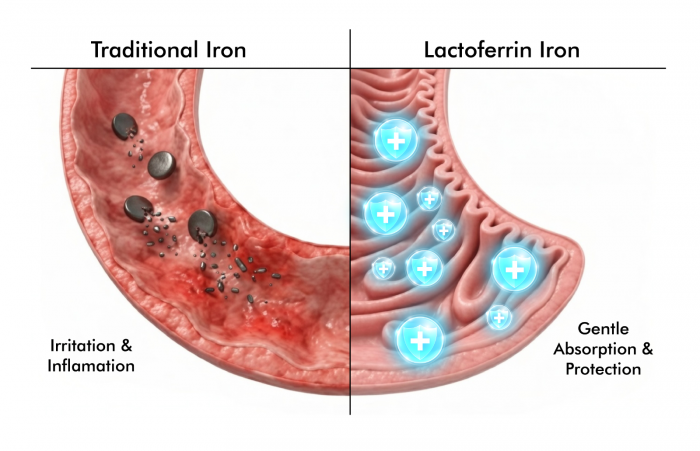
Standard iron tablets often release "free iron" into the digestive tract, which can disrupt the gut balance and cause inflammation. In contrast, Lactoferrin acts as a natural carrier, binding the iron to deliver it efficiently while remaining gentle on digestion.
Standard iron tablets release free iron into the digestive tract. While iron is vital for the body, excess free iron in the gut can disrupt the natural balance of gut bacteria. It tends to encourage the growth of less helpful bacteria while reducing beneficial bacteria such as Bifidobacteria.
This imbalance can irritate the gut, slow bowel movements further, and ironically reduce iron absorption over time. Simply increasing the dose rarely solves the problem—and often makes symptoms worse.
Looking Beyond Traditional Iron Supplements
These challenges have prompted doctors and researchers to rethink iron support during pregnancy. The goal is no longer just to raise iron levels, but to do so in a way that works with the body rather than against it.
One promising alternative is lactoferrin.
Lactoferrin: Nature’s Smarter Iron Carrier
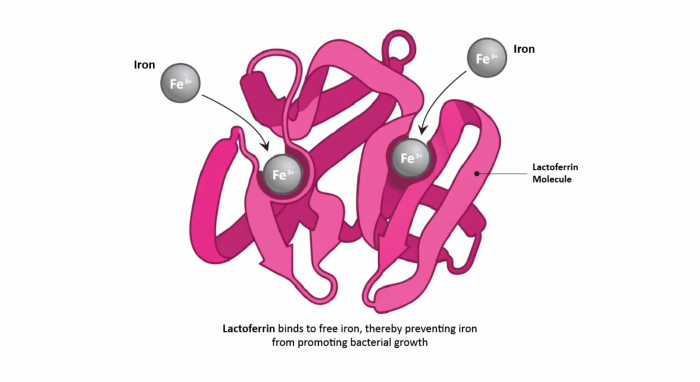
Lactoferrin is a naturally occurring protein found in high concentrations in breast milk. Its role is to bind iron and deliver it safely and efficiently throughout the body.
Unlike conventional iron tablets, lactoferrin is considered to:
- Influence how iron is absorbed
- Reduce excess free iron in the gut
- Be gentler on digestion
Studies have shown that lactoferrin can improve hemoglobin and iron stores in both pregnant and non-pregnant women, with fewer side effects than standard iron supplements.
In simple terms, lactoferrin helps the body use iron more efficiently—without overwhelming the gut.
Supporting Iron Without Triggering Inflammation
Lactoferrin also plays a role in immune balance. It helps calm unnecessary inflammation while supporting normal immune defenses. This is especially important in pregnancy, when excessive inflammation has been linked to placental problems and preterm birth.
By supporting both iron absorption and immune stability, lactoferrin offers a more balanced approach to maternal nutrition.
Iron for Baby
Efficient iron absorption doesn’t just benefit the mother. It also ensures that enough iron reaches the placenta and the developing baby—particularly during critical stages of brain and organ development. Importantly, this can be achieved without causing daily digestive discomfort.
The First Microbial Gift a Mother Gives Her Baby

A mother’s gut health is the first microbial gift she gives her baby. Through "first seeding," beneficial bacteria are passed down to help shape the infant's future immunity and health.
Pregnancy care doesn’t end at birth. In fact, some of the most important influences on a baby’s health occur in the very first days of life.
A baby’s gut bacteria begin forming at birth, a process often called “first seeding.” During vaginal birth, skin-to-skin contact, and breastfeeding, mothers pass bacteria directly to their babies. These early microbes help shape immune development, digestion, allergy risk, and long-term health.
Why a Mother’s Gut Health Matters?
A healthy maternal gut increases the chances that beneficial bacteria, especially Bifidobacteria—will dominate a baby’s early microbiome. Emerging research also links maternal gut health to fetal brain development through immune signaling and microbial metabolites.
In other words, looking after the mother’s gut is part of looking after the baby’s future health.
BB536: A Trusted Probiotic Strain

One of the most studied beneficial bacteria is Bifidobacterium longum BB536. This probiotic strain has been shown to:
- Support healthy digestion
- Improve bowel regularity
- Promote immune balance
- Support healthy early gut colonization
These qualities make it particularly important during pregnancy when digestive comfort and microbial balance are key.
FOS: Feeding the Good Bacteria
Fructo-oligosaccharides (FOS) are special fibers that act as food for beneficial gut bacteria. By nourishing probiotics like BB536, FOS helps them thrive.
FOS also helps soften stools and improve bowel regularity—an added benefit during pregnancy, when constipation is such a common concern.
The Power of Three: Lactoferrin, BB536, and FOS
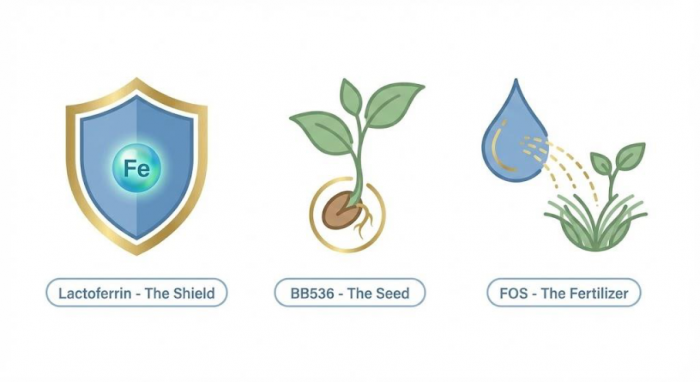
The "Golden Triad" works together as a team: Lactoferrin acts as a Shield to protect the gut, BB536 acts as a Seed to establish good bacteria, and FOS acts as the Fertilizer to help them thrive.
Together, lactoferrin, BB536, and FOS work synergistically:
This combined approach addresses iron deficiency, digestive comfort, immune balance, and early infant gut health— all at once.
Lactoferrin – The “Shield”
Lactoferrin acts as a protective shield by:
- Binding iron and improving absorption
- Inhibiting pathogenic bacteria and viruses
- Reducing inflammatory cytokines
From immunology and gastroenterology perspectives, it protects gut integrity while supporting systemic iron homeostasis.
BB536 – The “Seed”
BB536 serves as the microbial seed:
- Clinically proven to stabilize gut microbiota.
- Associated with reduced allergy risk and eczema in early life
- Improves bowel regularity and comfort
From a neonatal viewpoint, it supports healthy early colonization and immune training.
FOS – The “Fertilizer”
FOS acts as the fertilizer:
- Selectively feeds Bifidobacteria
- Enhance probiotic survival and function
- Prevents constipation by increasing stool softness
This addresses one of the most common pregnancy complaints while supporting microbial balance
A More Modern Way to Support Pregnancy Health
Pregnancy care is evolving. Treating iron deficiency is no longer just about numbers on a blood test—it’s about supporting the interconnected systems of digestion, immunity, placental function, and a baby’s earliest development.
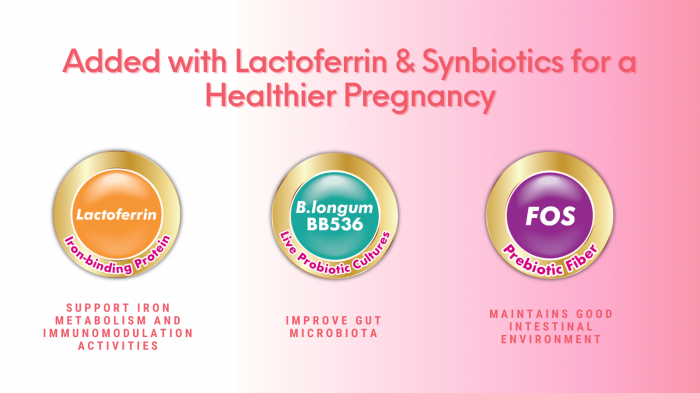
A gut-friendly strategy that includes lactoferrin, BB536, and FOS offers a thoughtful, science-backed way to support both mother and baby.
By caring for the mother’s gut, we may be helping shape the health of the next generation—right from the very beginning.
Written by
Shilpa Nambiar
MD FRCOG MRCPI
Consultant Obstetrician and Gynaecologist
-20260525164404.png?v.1792919369)