How Lactoferrin Builds a Stronger Immune System for Your Child
By Dr. Ryan, Consultant Paediatrician @ 123 Child Specialist Clinic

A Note to Parents: As parents, it is natural to worry when your child seems to be constantly falling sick. One week it is cough and runny nose, the next week it is fever or stomach flu. The good news is that frequent infections during childhood are often a normal part of growing up. A child’s immune system is constantly learning and developing, especially during the first few years of life.
Good nutrition plays an important role in supporting this process. Alongside vaccinations, adequate sleep, regular physical activity, and good hygiene practices, certain natural components found in milk can help support a child’s developing immune system. One of the most studied of these is lactoferrin.
Why Do Children Start Falling Sick More Often After 6 Months Old?
One of the most common questions I hear from parents is:

The Immunity Transition
The answer lies in how a child’s immune system develops. During pregnancy, mothers pass protective antibodies to the foetus through the placenta. However, at later stages, these maternal antibodies gradually decrease.
At the same time, children become more active. They start crawling, exploring their surroundings, and interacting with more people, which increases their exposure to viruses and bacteria.
Expected Annual Infections
|
Environment
|
Average Frequency
|
Impact
|
|
Standard Exposure
|
Around 8 to 12 infections each year
|
It is normal for healthy young children, especially during the first few years of life.
|
|
Daycare Attendance
|
May experience even more
|
Each infection helps the body recognise and respond more effectively to future germs, gradually building stronger immunity over time.
|
That’s how your immune system learns and strengthens. This is where good nutrition, adequate sleep, recommended vaccinations, and immune-supporting nutrients such as lactoferrin can play an important role in supporting a child’s developing immune system.
Understanding Lactoferrin
|
What Is Lactoferrin?
|
Is Lactoferrin in Supplements the Same?
|
|
Lactoferrin is a naturally occurring protein found in tears, saliva, and other body fluids. However, it is especially abundant in colostrum, the first milk produced after birth. It is one of the important protective components that mothers pass to their little one.
Scientists believe lactoferrin plays a key role in supporting the infant’s immune system during the early stages of life, when their own immune defences are still maturing. Lactoferrin belongs to a family of proteins known as transferrin, which help bind and transport iron within the body.
|
Most lactoferrin used in formulas and supplements comes from cow’s milk and is known as bovine lactoferrin. Parents often ask whether bovine lactoferrin is similar to natural lactoferrin.
Bovine lactoferrin has been extensively studied and is widely used in children nutrition products and supplements around the world. Many of the immune-supporting benefits observed with human lactoferrin are also seen with bovine lactoferrin, making it a valuable ingredient for supporting children’s health.
|
How Does Lactoferrin Help Protect Against Infections?
Lactoferrin forms part of the body’s natural first line of defence through different mechanisms:
|

The “Iron Catcher” Mechanism
One of lactoferrin’s most important roles is its ability to bind iron. While iron is essential for healthy growth and development, many harmful bacteria also need iron to survive and multiply. You can think of lactoferrin as a natural “iron catcher.” It locks away free iron, making it less available to harmful bacteria. Without enough iron, these bacteria struggle to grow and spread. This is one of the ways lactoferrin helps the body defend itself against infections.
|

Direct Microbial Interaction
Interestingly, lactoferrin can also interact directly with certain bacteria, viruses, and fungi. Studies suggest it may help weaken the outer membranes of some microbes, making it harder for them to cause infection.
|
Supporting Gut Health and Immunity
Did You Know? Many parents are surprised to learn that a large part of the immune system is located in the gut. The lining of the intestines acts as a barrier between the body and the outside world. It allows nutrients to enter while helping to keep harmful germs out.
Lactoferrin can support gut health in:
|

|
Strengthening the Intestinal Barrier: It helps support the integrity of this intestinal barrier by strengthening structures known as tight junctions, which act like seals between intestinal cells.
|
|

|
Supporting a Healthy Gut Environment: Lactoferrin may help support a healthy gut environment. A healthy gut microbiota, including beneficial bacteria such as Bifidobacteria, is considered important for digestive health and normal immune development.
|
A healthier gut often means a healthier immune system.
Helping the Immune System Respond in a Balanced Way
A strong immune system is not simply one that reacts more aggressively. It is one that responds appropriately and efficiently. When the body encounters viruses or bacteria, inflammation is part of the normal immune response. However, excessive inflammation can be bad. Again, moderation is key here.
Studies suggest that lactoferrin helps the immune system respond in a balanced manner. It can help regulate inflammatory signals while supporting the body’s natural defence mechanisms.
Immune Cell Support Spotlight
Researchers have also found that lactoferrin can influence important immune cells such as:
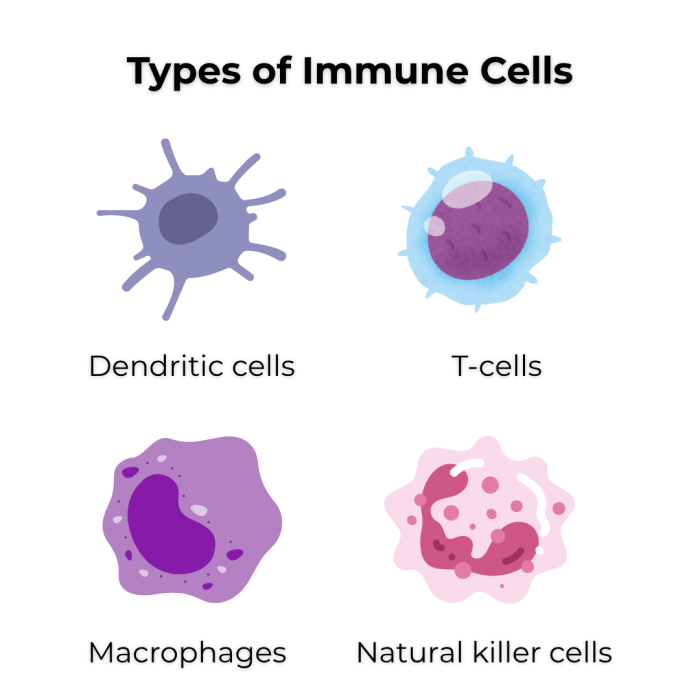
These cells work together to identify and eliminate viruses, bacteria, and other potential threats. By supporting both the innate and adaptive immune systems, lactoferrin helps strengthen the body’s overall ability to respond to infections.
There has been numerous research that show that lactoferrin supplementation may help reduce the frequency of certain infections in children, particularly respiratory tract infections, and gastrointestinal infections such as diarrheal diseases. While no supplement can completely prevent children from falling sick, the current evidence suggests that lactoferrin can be a useful addition to a comprehensive approach to immune health.
The Bottom Line
As a paediatrician, I often remind parents that there is no magic solution that can prevent every infection. Children need time and exposure to develop their immune system. Some illnesses during childhood are part of that learning process.
However, we can support the immune system by providing the right foundation:
• A balanced diet
• Sufficient sleep
• Regular physical activity
• Recommended vaccinations
• Good hygiene habits
Lactoferrin is one of the most extensively studied natural components of milk. Research shows that it supports immunity through multiple pathways, including limiting the growth of harmful microbes, supporting gut health, strengthening the intestinal barrier, and helping the immune system respond effectively to infections. As our understanding of immune health continues to grow, lactoferrin remains a scientifically supported and naturally occurring component of a child’s immune defence system.
Consult Your Paediatrician
If you have concerns about your child’s immunity, frequent infections, or nutritional needs, speak to your paediatrician. Every child is different, and the best approach is always one that is tailored to your child’s individual needs. Consult your paediatrician to discuss your child’s specific immune needs and develop a personalised nutritional plan to support healthy growth and immune development.